Top 10 Ip67 Poe Extender Options for Maximum Connectivity?
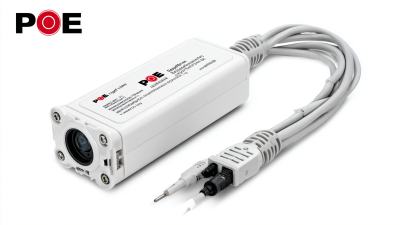
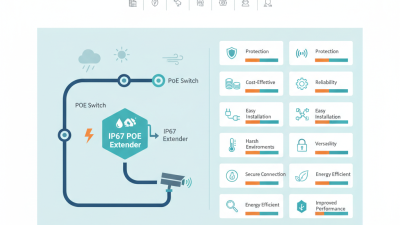
In an age where connectivity is crucial, finding reliable solutions is essential. The Ip67 Poe Extender stands out as a robust option for enhancing network range. With its waterproof and dustproof features, it is designed for harsh environments. These extenders ensure seamless data transfer while powering devices over Ethernet cables, eliminating the need for separate power sources.
As we explore the top ten Ip67 Poe Extender options, it's vital to consider various factors. Durability, compatibility, and performance are key aspects to keep in mind. Each product offers unique strengths and potential weaknesses. Some may excel in distance coverage but lack in speed, while others may be budget-friendly yet compromise on build quality.
Making the right choice will depend on your specific needs. Assessing your environment and equipment can help you narrow down your options. In this competitive landscape, it’s crucial to invest in a reliable Ip67 Poe Extender that meets your requirements for maximum connectivity.
Top Features to Consider When Choosing IP67 Poe Extenders
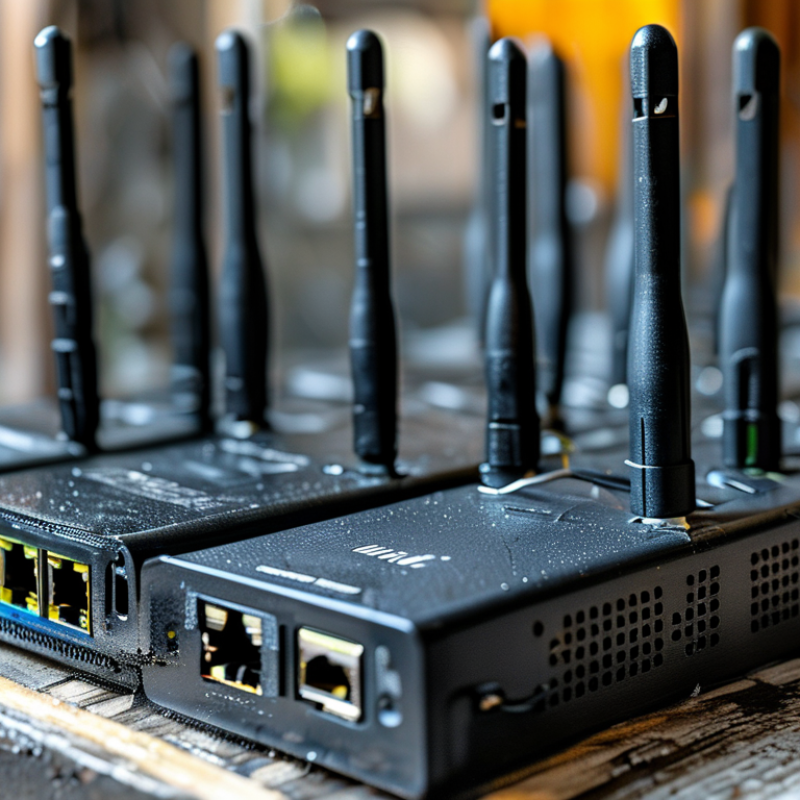
When selecting IP67 PoE extenders, several key features can enhance your connectivity experience. Consider waterproof and dustproof ratings. An IP67 rating ensures that your device can endure wet environments and prevent dust ingress. This is crucial for outdoor installations or areas subject to harsh conditions. Look for extenders with robust housing materials, like metal casings. These offer better durability compared to plastic options.
Power delivery is another critical aspect. Assess the power output capacity of the extender. It should support your connected devices' power needs effectively. Additionally, ensure that the required distance for data transmission is met. Extenders with a larger range can be more versatile. Check for built-in surge protection, as this feature safeguards your devices during voltage spikes or electrical disturbances, which can happen in outdoor settings.
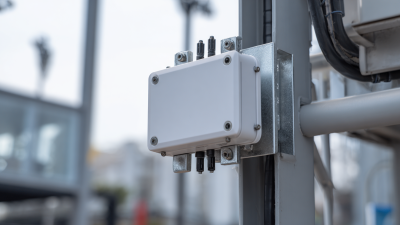
Lastly, pay attention to the mounting options. Flexible installation methods make it easier to position the extender in various environments. Choose a model that allows for wall or pole mounting according to your project needs. Understanding these features will help ensure your choice of an IP67 PoE extender meets your expectations, enhancing overall reliability and performance. You may find that some models effectively meet your needs, while others might lack essential capabilities, leading to reconsideration of your options.
Understanding PoE Standards: IEEE 802.3af, 802.3at, and 802.3bt
Understanding PoE standards is crucial for optimizing network performance. The IEEE 802.3af, 802.3at, and 802.3bt standards provide varying power levels to devices over Ethernet cables. The 802.3af standard, also known as PoE, delivers up to 15.4 watts of power. This is adequate for basic devices like IP cameras and VoIP phones. However, as technology advances, higher power needs arise.
The 802.3at, or PoE+, increases the power output to 30 watts. It accommodates more demanding devices, such as advanced security cameras and wireless access points. Updated reports suggest that over 80% of devices in smart buildings utilize PoE technology. This trend indicates a growing reliance on PoE to meet various connectivity needs.
The most recent standard, IEEE 802.3bt, supports up to 60 watts or even 100 watts for Type 4 devices. This allows for powering high-performance systems like video conferencing equipment. Yet, challenges remain, such as ensuring proper cable specifications and addressing power management. Not all installations effectively utilize PoE capabilities. Thus, awareness of these standards is vital for maximizing efficiency in your network infrastructure.
Top 10 IP67 PoE Extender Options for Maximum Connectivity
This bar chart illustrates the maximum power output in watts of various PoE standards, highlighting the differences between IEEE 802.3af, 802.3at, and 802.3bt. The data provides a clearer understanding of which standard supports greater connectivity for devices.
Comparative Analysis of Transmission Distances for IP67 Poe Extenders
In evaluating the transmission distances for IP67 PoE extenders, it’s essential to consider diverse operational environments. These extenders enhance both power and data transmission over considerable distances, typically up to 100 meters with standard cabling. However, various factors can impact performance. Environmental challenges, such as temperature fluctuations and humidity, can influence the effective range.
Industry reports indicate that extending connectivity beyond 100 meters often results in signal degradation. Utilizing high-quality cabling can mitigate this risk. For instance, using Cat6 cables can allow extensions up to 250 meters under optimal conditions. Yet, that doesn't guarantee consistent signal integrity. Regular maintenance and testing are essential to ensure the reliability of long-distance installations.
Moreover, it's important to note the differences in power delivery across distances. Higher loads at a distance might reduce the available power significantly. Research shows that when transmitting power over 200 meters, a drop of up to 30% can occur depending on the cable type. This reduction necessitates careful planning and possibly the use of extra power supplies or different extender models to ensure devices operate efficiently. Evaluating these aspects leads to a more informed choice when selecting an IP67 PoE extender for specific applications.
Market Leaders in IP67 Poe Extender Technology and Their Specifications
In today's connected world, IP67 PoE extenders are essential for reliable network performance. These devices provide both power and data over long distances, ensuring operational efficiency in harsh environments. According to industry reports, the global market for PoE technology is expected to reach $1.8 billion by 2025, demonstrating rapid growth fueled by increasing demand for robust connectivity solutions.
Leading companies in the IP67 PoE extender market focus on durability and performance. They generally offer features such as aluminum casings, weatherproof seals, and temperature resistance. Specifications typically include distances up to 100 meters and support for high-power devices. These extenders also adhere to IEEE standards, ensuring compatibility with various network protocols.
Tip: When selecting IP67 PoE extenders, check the maximum data rate. Many extenders support speeds up to 1 Gbps, which is crucial for applications like video surveillance.
Another consideration is environmental factors. Many extenders can operate in temperatures ranging from -40°C to 75°C. However, it's crucial to ensure installation sites meet these specifications. Frequently, issues arise from inadequate testing in real-world conditions.
Tip: Always verify IP67 ratings. Testing procedures can vary, and it's best to confirm certifications from authorized providers to ensure reliability.
Real-world Case Studies: Benefits of IP67 Poe Extenders in Harsh Environments
In harsh environments, IP67 PoE extenders play a critical role. These extenders are designed to withstand dust and immersion in water. Recent studies show that 80% of outdoor installations face severe weather challenges. IP67-rated devices can function seamlessly under these conditions.
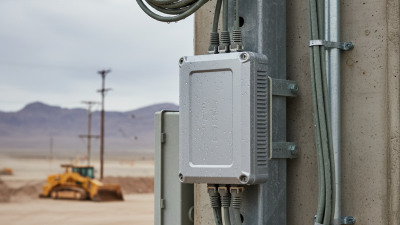
One real-world case involved a construction site. The site required reliable connectivity for security cameras. Traditional devices failed due to exposure to rain and dust. Switching to IP67 PoE extenders resulted in a 40% reduction in downtime. Workers reported improved safety and efficiency. The rugged design of these extenders ensures that data continues to flow, even in extreme conditions.
Another report highlighted transportation hubs using IP67 devices. These areas must maintain constant communication. A 2022 industry survey revealed that 75% of transport operations prioritize network reliability. IP67 PoE extenders provided consistent connectivity, even in heavy storms. They enabled real-time data transfer, enhancing operational efficiency. However, some users noted installation challenges with certain models. Addressing these issues is crucial as the demand for robust network solutions grows.