In today’s connected world, the importance of a reliable network cannot be overstated. An Outdoor Poe Switch plays a crucial role in maintaining connectivity in harsh outdoor environments. Research from market analysis firms indicates that the use of Power over Ethernet technology is projected to grow at a CAGR of 13% from 2023 to 2028. This data underscores the increasing demand for efficient networking solutions across different industries.
Selecting the right Outdoor Poe Switch requires careful consideration of various factors. A robust switch must withstand extreme weather conditions while delivering power and data effectively. Features like surge protection and waterproofing are essential for longevity. According to the IEEE, poor network performance can lead to a 30% decrease in productivity, emphasizing the need for reliability in outdoor settings.
However, not all switches are created equal. Misleading specifications can lead to underperformance, resulting in costly downtime. Buyers should critically evaluate product claims and seek out trusted brands that prioritize quality. Reflecting on these considerations can lead to informed decisions, ultimately fostering a resilient network capable of adapting to future challenges.
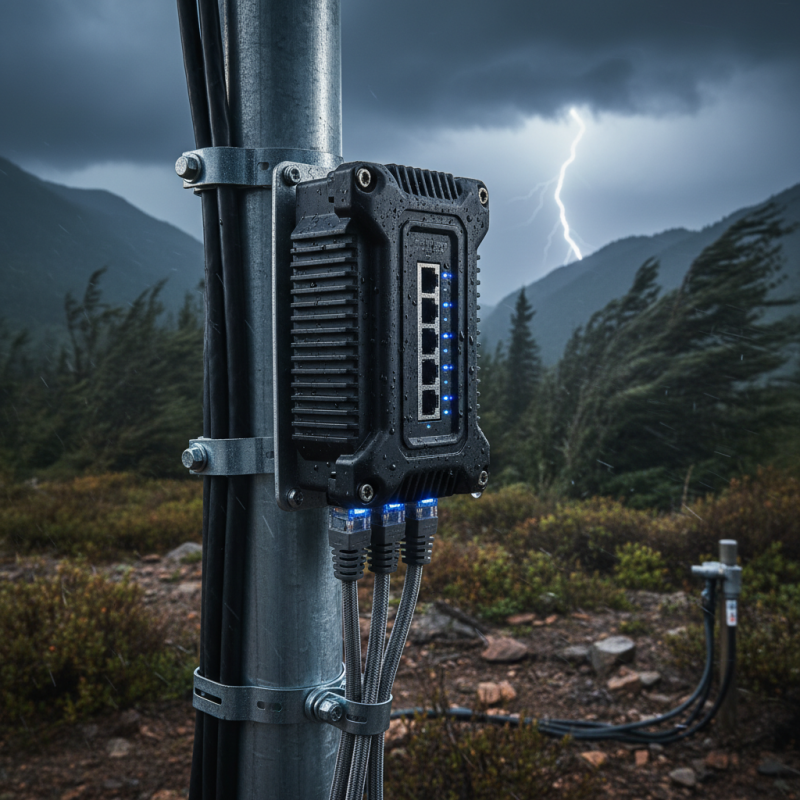
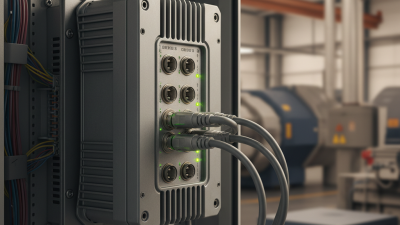
Power over Ethernet (PoE) technology is crucial for outdoor networking. It allows devices to receive power and data through a single Ethernet cable. This flexibility simplifies installations, especially in outdoor environments where traditional power sources might be unavailable. PoE is ideal for security cameras, wireless access points, and other outdoor devices.
When selecting an outdoor PoE switch, consider the weather resistance of the device. Ensure it meets IP67 or higher ratings. This protects against dust and water. Remember to evaluate the power delivery level as well. A switch offering at least 15.4W is vital for most devices.
The installation should also align with your network plan. Research the number of ports you need. Too few ports can hinder expansion. If purchasing multiple units, ensure compatibility across your devices. Finally, verify the cable quality to minimize signal loss over long distances. These factors contribute to creating a reliable outdoor network.
| Tip | Description | Considerations |
|---|---|---|
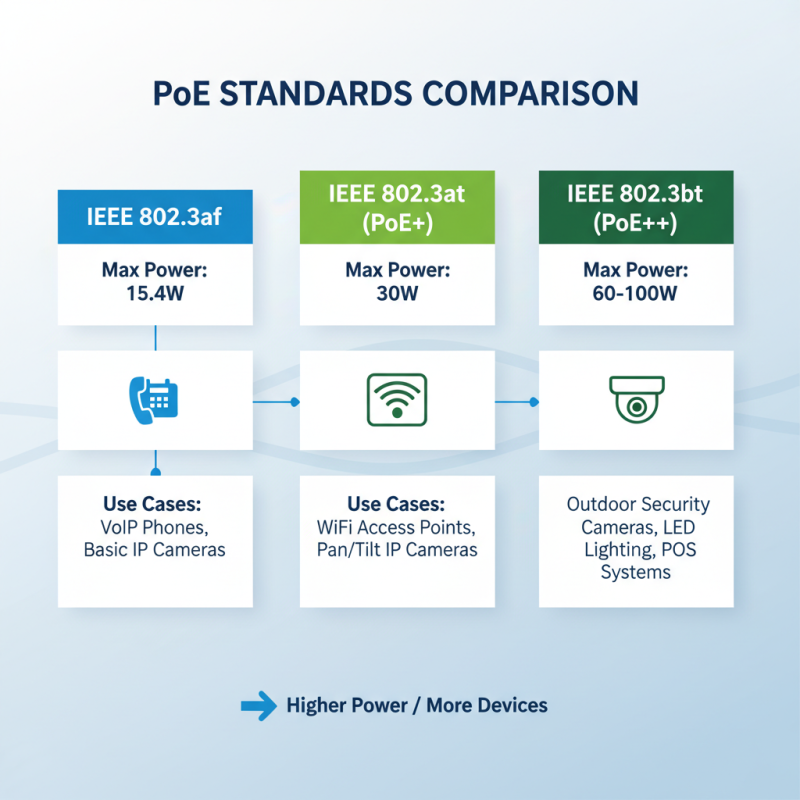
| 1. Understand PoE Standards | Familiarize yourself with IEEE standards (802.3af, 802.3at, and 802.3bt). | Choose according to device power requirements. |
| 2. Determine Power Requirements | Assess the total wattage needed for all connected devices. | Calculate for peak usage. |
| 3. Check for Weather Resistance | Look for IP-rated switches suitable for outdoor environments. | Minimize risk from moisture and dust. |
| 4. Look for Management Features | Choose switches with web-based management or SNMP. | Facilitates monitoring and configuration. |
| 5. Assess Port Count | Determine the number of ports required for your setup. | Plan for future expansion. |
| 6. Evaluate Installation Ease | Choose models that are easy to install and configure. | Simplifies deployment process. |
| 7. Consider Budget | Establish a budget for purchasing the switch. | Balance cost with features. |
| 8. Check for Network Compatibility | Ensure the switch supports your network protocols and speeds. | Avoid potential bottlenecks. |
| 9. Review Warranty and Support | Look for a good warranty period and customer support options. | Protects your investment. |
| 10. Read User Reviews | Check feedback from users to gauge reliability. | Helps in making an informed choice. |
When selecting an outdoor PoE switch, evaluating environmental conditions is critical. Outdoor settings expose equipment to varying temperatures, humidity, and corrosive elements. According to a report by the Outdoor Technology Association, outdoor network gear must endure temperatures ranging from -40°C to 70°C. This range affects performance. Switches that cannot operate in extreme weather may fail, leading to costly network downtime.
Humidity also plays a vital role. High moisture levels can lead to condensation inside devices. The Telco Network Report suggests that switches should have an IP67 rating to resist water and dust. This rating ensures the equipment can function in harsh environments without significant risk of damage. Consider potential exposure to UV radiation as well. Prolonged sunlight can degrade materials over time.
Installing outdoor switches in shaded or protected locations can mitigate these issues. However, this approach is not always feasible. Moreover, even in ideal conditions, the effectiveness of PoE may diminish with distance. Possible signal degradation must be evaluated, especially for long cable runs. Understanding these environmental factors is paramount for making informed decisions. Balancing these challenges requires careful planning and professional insight.
When selecting an outdoor Power over Ethernet (PoE) switch, understanding different PoE standards is key. PoE technology simplifies cabling by allowing power and data transmission over one cable. The Institute of Electrical and Electronics Engineers (IEEE) outlines multiple standards including IEEE 802.3af, 802.3at, and 802.3bt. Each has distinct power capabilities and applications. For example, the IEEE 802.3af provides up to 15.4 watts per port, suitable for basic devices like VoIP phones. In contrast, 802.3bt can deliver up to 60 watts per port, making it ideal for high-demand devices such as outdoor security cameras.
It's essential to assess the power requirements and distance of your devices before choosing a PoE switch. Many outdoor setups face harsh weather conditions. This creates additional challenges regarding power distribution. Ensure the chosen standard aligns with your outdoor environment. If you're connecting multiple devices, such as routers and cameras, consider using a switch with higher wattage capabilities.
When evaluating your options, be mindful of compatibility issues. Not all devices support the same PoE standards. Also, reflect on future networking needs. The growing demand for IoT devices may require more power. Consulting industry reports, like those from the Global IoT Network, emphasizes this trend, predicting a 30% increase in PoE demand over the next five years. Adaptability in your selection can save costs and increase efficiency in the long run.
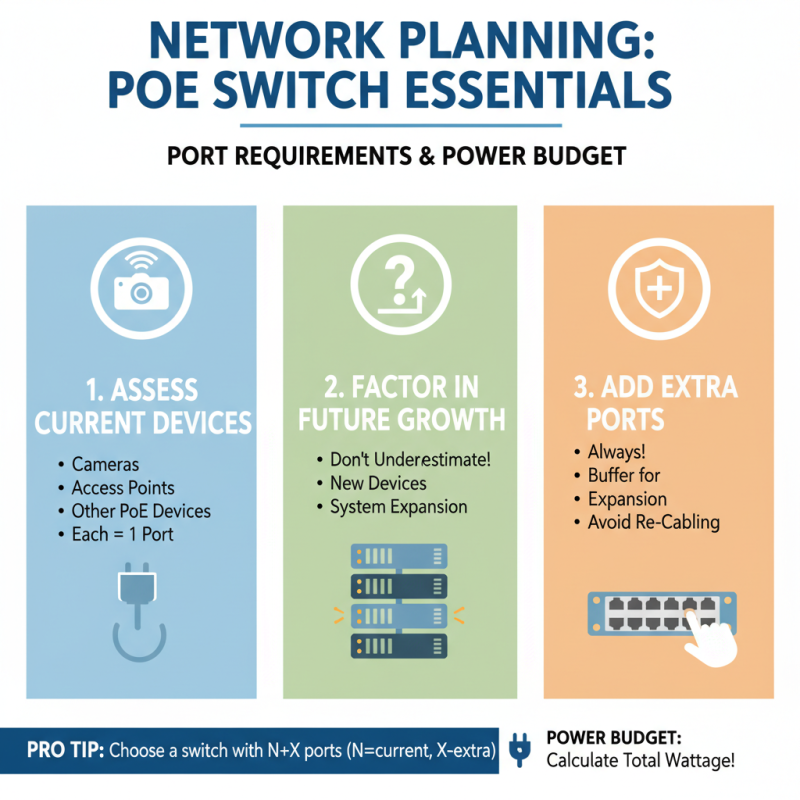
When selecting an outdoor Power over Ethernet (PoE) switch, understanding port requirements is crucial. Begin by assessing the number of devices you plan to connect. Cameras, access points, and other PoE devices each require individual ports. A common mistake is underestimating future needs. Always opt for a switch with a few extra ports to accommodate potential expansions.
Another vital aspect is evaluating your power budget. Each PoE device consumes a specific amount of power, often detailed in watts. The total consumption should not exceed the power capacity of the switch. Calculate the combined wattage of all connected devices. This can be tricky; unexpected surges can occur when devices start up. Be prepared for this possibility.
Consider using a switch that provides flexible power allocation. Adaptive switches allow you to prioritize power for essential devices. This feature can prevent outages during peak usage. Be cautious, though; overspending on unnecessary power capabilities can lead to wastage. Reflect on your network's needs regularly. Regular assessments ensure that your setup remains efficient and reliable as technology evolves.
When considering outdoor PoE switches, installation and maintenance are critical. Proper installation ensures reliable power and data transmission. Choose locations sheltered from harsh weather. Verify that cables are rated for outdoor use. Moisture can cause disruptions; therefore, protect connections with weatherproof enclosures.
Regular maintenance is crucial for longevity. Routine checks can identify potential issues early. Look for signs of wear, corrosion, or loose connections. Timely replacements can save costs in the long run. Keep the firmware updated. This enhances reliability and security.
Consideration for configuration is also important. Ensure you have adequate power budgeting. Some devices may require more power than others. It is essential to plan for future expansions to avoid overloading the system. Balancing performance and maintenance can be challenging but is necessary for optimal network functionality.