What to Consider When Choosing an Industrial Managed Switch?
Choosing an Industrial Managed Switch is critical for ensuring a reliable network in industrial environments. According to a report by MarketsandMarkets, the global industrial Ethernet switch market is expected to grow from $1.5 billion in 2020 to $3 billion by 2025. This showcases the increasing reliance on robust network management solutions.
Experts emphasize the importance of selecting the right switch. James Park, a leading authority in industrial networking, states, "Choosing the right Industrial Managed Switch can make or break your operational efficiency." Key considerations include data handling capacity, redundancy features, and scalability. Understanding these aspects is vital for optimal performance.
Moreover, while many solutions exist, not all of them fit every application. Organizations must reflect on their specific needs. Cost, compatibility, and future-proofing should guide decisions. The right Industrial Managed Switch can ensure smoother operations and increased productivity while avoiding potential pitfalls in implementation.
Key Technical Specifications of Industrial Managed Switches
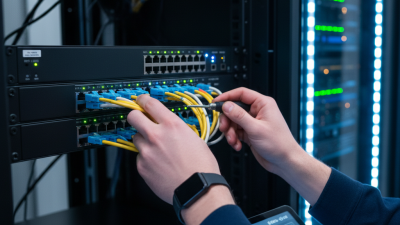
When selecting an industrial managed switch, key technical specifications are crucial. Port count is a primary factor. Managed switches come with various port configurations, often ranging from 5 to 48 ports. More ports allow for greater device connectivity, essential in large networks. Each port should ideally support Power over Ethernet (PoE) capabilities. This feature can supply power to devices like cameras and sensors without requiring separate power sources.
Another important specification is switching capacity. This dictates how much data can pass through the switch at any time. A switch with a high switching capacity ensures minimal data loss, especially in high-traffic environments. According to industry reports, switches with a capacity above 1 Gbps can handle heavy data loads efficiently, reducing the risk of bottlenecks.
Temperature ratings are also crucial in industrial settings. Many facilities face harsh conditions, so switches rated for extreme temperatures are necessary. Typical operational ranges for industrial switches are from -40°C to 75°C. This specification guarantees reliability in demanding environments. Additionally, consider redundancy features like Dual Power Inputs or Ring Topology. These features enhance network uptime, ensuring connectivity remains stable and reliable even during power failures or component failures.
Understanding Environmental Considerations for Switch Deployment
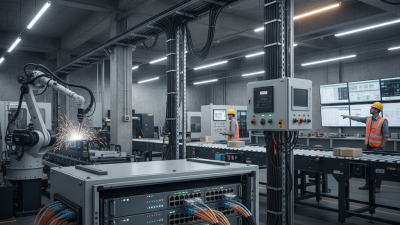
When considering the deployment of industrial managed switches, environmental factors play a crucial role. These switches often operate in harsh conditions that may include high temperatures, humidity, and dust. Selecting a switch with an appropriate IP rating ensures protection against these elements. For instance, IP67-rated switches can withstand water and dust ingress, providing reliability in challenging environments.
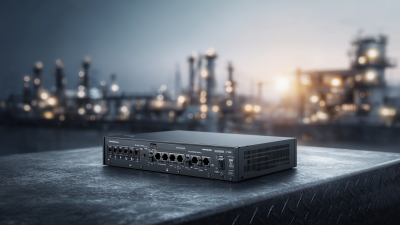
Temperature range is another vital consideration. Many industrial switches function best within specific temperature limits. Choosing a switch that can handle extreme temperatures prevents failures. This is particularly important in industries like oil and gas, where equipment is exposed to severe conditions.
Installation location matters too. Will the switch be placed outdoors or indoors? Outdoor switches require different casing and materials. It is also essential to assess nearby equipment that may cause electromagnetic interference. Without careful planning, operational issues could arise. Reflecting on these environmental considerations helps ensure a successful deployment and long-term reliability.
Environmental Considerations for Industrial Managed Switch Deployment
Assessing Scalability and Network Management Features
When choosing an industrial managed switch, scalability is a key factor. A switch that grows with your network needs ensures longevity. As businesses expand, network demands increase. A scalable switch can handle more devices without performance drops. Look for features like support for VLANs and multiple ports. These capabilities make expansion smoother.
Network management features are equally important. A reliable switch should offer intuitive management tools. Advanced monitoring and diagnostics can prevent issues before they escalate. Consider switches with web interfaces or SNMP support. These tools enhance control and facilitate troubleshooting. However, it’s essential to balance complexity and usability. A highly complex interface may overwhelm technicians.
Choosing wisely demands careful consideration. Evaluate both features and future needs. Sometimes, a simple solution may not be adequate. Reflection on past experiences can aid in decision-making. The right switch should not only meet current needs but anticipate future challenges. Ensure that your choice aligns with business growth strategies.
Evaluating Security Protocols and Compliance Standards
When evaluating industrial managed switches, security protocols and compliance standards are critical. Industrial environments face unique risks. Ensuring your switch supports robust encryption protocols is essential. Look for features like AES and SHA for data protection. These standards help shield sensitive information from unauthorized access.
Compliance with industry regulations is equally important. Each sector may have specific requirements. For instance, the manufacturing industry often adheres to standards like NIST or ISO. Confirm that your switch meets these standards, as non-compliance can lead to severe penalties. Regular audits can help maintain compliance and enhance your network’s security posture.
While many switches claim to be secure, not all features may be thoroughly vetted. It is wise to assess the switch's firmware regularly. Vulnerabilities can emerge over time. A switch with continuous updates demonstrates a commitment to security. Additionally, consider the support resources available from the manufacturer to resolve security issues swiftly. This proactive approach can significantly improve your network’s resilience against threats.
Comparing Cost Factors and Total Cost of Ownership
When selecting an industrial managed switch, cost factors and total cost of ownership (TCO) play pivotal roles. According to a recent report by the International Data Corporation (IDC), businesses can save up to 30% in expenses over five years by choosing the right switch. Upfront costs include not only the purchase price but also installation and configuration. These should be factored into any decision.
Operational costs are significant too. A study revealed that power consumption can account for nearly 15% of a switch's lifecycle cost. Selecting energy-efficient models can reduce these expenses. Maintenance and support also add to the TCO. As organizations grow, scaling network capacity is often required. A flexible switch can save businesses from expensive upgrades in the future.
Additionally, choosing a switch with robust features can minimize downtime. A report by Gartner states that unplanned outages can cost companies over $5,600 per minute. Opting for switches with high reliability can help mitigate these risks. However, it’s essential to weigh the benefits against the initial investment. Not every option offers the same return over time.