Why Choose a Fiber Core Switch for Your Network Needs?
In today's digital landscape, the demand for high-speed and reliable networks continues to grow. According to a report by Gartner, global internet traffic is predicted to increase by 29% annually. This escalating demand necessitates a robust infrastructure, making the choice of the right network switch critical. A Fiber Core Switch stands out as a superior option for many organizations.
Fiber Core Switches provide enhanced bandwidth, supporting data-intensive applications such as cloud computing and big data analytics. A study from Infonetics Research indicates that businesses using Fiber Core Switches report up to 50% improvement in data transmission speeds compared to traditional copper switches. This performance boost can lead to significant cost savings in operational expenses.
However, not all organizations understand the full potential of Fiber Core Switches. Some may hesitate due to perceived complexity or high initial costs. Addressing these concerns involves recognizing the long-term benefits, such as reduced latency and increased reliability. Investing in advanced networking solutions is key to future-proofing organizational infrastructure.
Understanding the Basics of Fiber Core Switches
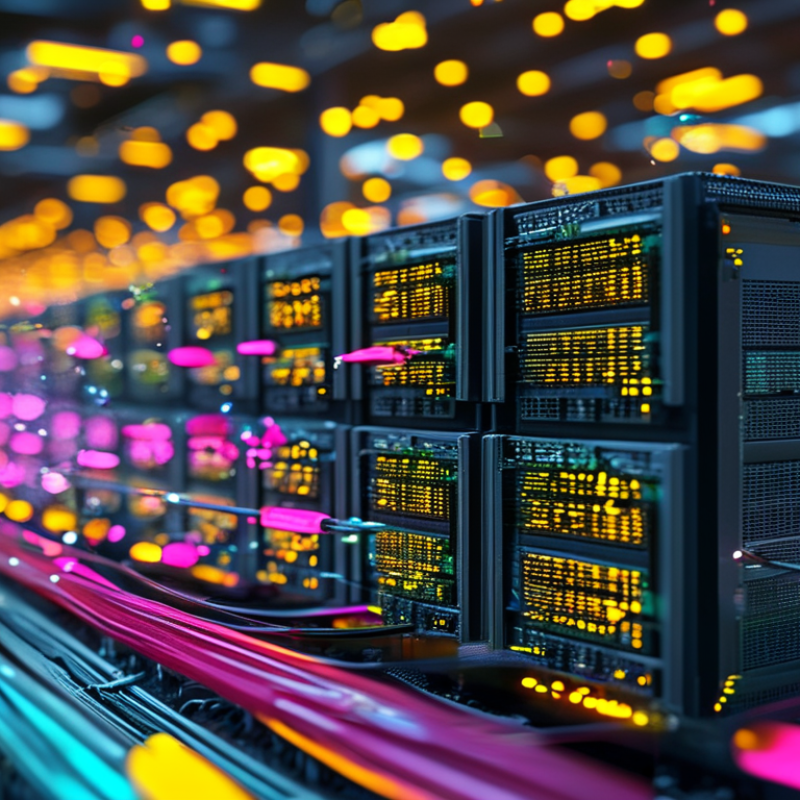
Fiber core switches play a significant role in modern network infrastructure. They are designed to manage high-bandwidth data traffic. With the demand for faster internet and reliable connections increasing, these switches have become crucial. Research indicates that fiber backbone networks can provide up to 10 Gbps or even higher speeds. Such performance supports various applications, from cloud computing to streaming services.
Understanding fiber core switches begins with their components and functionalities. They utilize fiber optics, allowing for quicker data transmission over long distances. This minimizes latency and enhances the overall user experience. A study from the International Telecommunication Union reveals that networks employing fiber optics can achieve a 50% reduction in latency compared to traditional copper networks. However, the initial setup costs can be a challenge for smaller businesses.
Despite their advantages, fiber core switches require careful consideration. They may not be suitable for every environment. For instance, areas prone to physical damage may need additional protective measures. It's essential to evaluate infrastructure needs thoroughly. The balance between cost and performance will affect long-term network sustainability. Networking professionals must remain vigilant about evolving technologies and standards in fiber switching.
Network Performance Comparison: Fiber Core Switch vs. Copper Switch
This chart compares the performance metrics of Fiber Core Switches and Copper Switches. Fiber Core Switches offer significantly higher bandwidth and lower latency, making them a more efficient choice for modern network needs.
Key Benefits of Using Fiber Core Switches in Networking
In today’s fast-paced digital landscape, fiber core switches offer crucial advantages for networking. They provide high bandwidth and low latency, essential for managing large volumes of data. According to a recent industry report by DataCenter Dynamics, organizations can experience a bandwidth increase of up to 70% with fiber over traditional copper cabling. This improvement leads to more efficient data transmission and enhanced user experiences.
Fiber core switches also excel in scalability. They support a large number of devices without degrading performance. This feature is vital as businesses grow and add more networked devices. A study by International Data Corporation revealed that enterprises with fiber optics saw a reduction in latency by roughly 60% as their networks expanded. However, fiber installations can complicate initial setups and planning, which makes careful foresight essential.
Moreover, fiber switches are designed for future technologies. As we transition to 5G and IoT, networks must handle increasing data traffic. The use of fiber optics positions organizations well for these advancements. Nevertheless, some organizations hesitate due to higher upfront costs and installation complexities. Balancing these factors is critical for making informed networking decisions.
Comparing Fiber Core Switches to Traditional Copper Switches
When considering the backbone of your network infrastructure, fiber core switches present a formidable alternative to traditional copper switches. Fiber switches utilize light for data transmission, providing faster speeds and greater bandwidth. This is crucial for businesses that deal with large data transfers, high-definition video streams, or cloud services. The ability to handle massive amounts of data without significant delays is a game-changer in today’s fast-paced digital landscape.
Copper switches, while historically reliable, face limitations. They usually struggle with long-distance data transmission due to signal degradation. In contrast, fiber connections can span kilometers without loss of quality. Additionally, fiber is immune to electromagnetic interference, offering more stable performance. Yet, the installation of fiber optics may require specialized knowledge. This can lead to higher initial setup costs and a longer deployment time. Organizations must weigh these considerations against their specific needs.
Many users find that while fiber offers superior performance, transitioning from copper can be complex. Training staff to manage fiber infrastructure involves time and resources. There may be hesitancy in making such a change, especially for smaller businesses with budget constraints. Evaluating the long-term benefits against immediate costs is essential. Understanding both the advantages and challenges lays a strong foundation for making the best network choice.
Why Choose a Fiber Core Switch for Your Network Needs?
| Feature |
Fiber Core Switch |
Copper Switch |
| Speed |
Up to 100 Gbps |
Up to 10 Gbps |
| Distance |
Up to 40 km |
Up to 100 m |
| Bandwidth |
Higher bandwidth capabilities |
Limited bandwidth |
| Interference |
No electromagnetic interference |
Susceptible to interference |
| Installation Cost |
Generally higher |
Generally lower |
| Maintenance |
Lower maintenance frequency |
Higher maintenance frequency |
Factors to Consider When Choosing a Fiber Core Switch
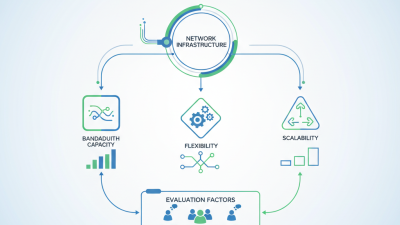
When selecting a fiber core switch, several factors deserve careful consideration. The switch's bandwidth capacity is crucial. You need to ensure it can handle your current and future network demands. Consider the number of devices and the data traffic in your organization. A switch that can scale with your needs is essential for long-term viability.
Another important aspect is the switch's compatibility with existing infrastructure. Not all switches work seamlessly with every network setup. Assess whether the switch supports your current protocols and interfaces. This can save you from future headaches and ensure smoother operation.
Tips are helpful in making informed choices. Look for switches with modular designs. They offer flexibility as your network grows. Choose models that have proven reliability from independent reviews. Always review specifications before purchasing. Analyzing these key factors leads to better decisions.
Real-World Applications and Use Cases for Fiber Core Switches
Fiber core switches are critical for modern networks. Their high-speed capabilities make them ideal for applications that demand quick data transfers. In environments with heavy data traffic, like data centers, fiber core switches can effectively manage multiple connections without latency issues. They utilize optical fibers, which reduces electromagnetic interference, ensuring stable connections and reliable performance.
In practical scenarios, organizations benefit from deploying fiber core switches in large office buildings and campuses. Video conferencing, cloud computing, and online collaboration tools all require robust data pipelines. Fiber core switches support these applications, allowing seamless communication. However, the infrastructure can be costly and complex. Upgrading existing networks to accommodate fiber optics demands careful planning and training.
As more businesses transition to cloud-based solutions, implementing fiber core switches can be a game-changer. They facilitate faster access to cloud services and improve overall network efficiency. Yet, companies must regularly assess their needs to optimize their networks. Balancing costs with potential benefits is essential for informed decision-making. Investing in fiber technology could be beneficial, but not every organization may find it necessary at this stage. This requires a thoughtful approach to network upgrades.