Best Network Switch Options for Your Business Network?
In today's fast-paced business environment, a reliable network is essential. A Network Switch is a critical component for enhancing connectivity and performance. Selecting the right one can significantly impact your operations.
Many businesses struggle with their network infrastructure. Some invest in low-cost options without understanding the consequences. Others might overlook scalability, only to face issues later. Each choice shapes the efficiency of daily tasks.
Understanding the variety of Network Switch options can help your business thrive. High-performance models support multiple devices effectively. Choosing the right switch is not just a technical decision; it’s a strategic one. Empowering your network leads to better productivity and reliability.
Understanding the Role of Network Switches in Business Networks
In today's digital landscape, network switches play a critical role in business networks. These devices facilitate communication between multiple devices, allowing seamless data transfer. According to a report by Gartner, nearly 80% of organizations rely on high-performance switches to manage their internal networks effectively. This reliance highlights the importance of selecting the right switch for specific business needs.
Switches vary significantly in features and performance. For instance, managed switches can offer enhanced control over network traffic, which is vital for resource allocation. With cyber threats rising, implementing smart management practices has become essential. Data from the Ponemon Institute suggests that the average cost of a data breach can exceed $3.86 million, making the security features of switches paramount. However, configuring these switches correctly often presents challenges that require skilled IT staff, emphasizing the need for ongoing training in network management.
Moreover, businesses must also consider network scalability. Companies are increasingly adopting cloud services. In fact, Sandler Research reported that 70% of enterprises are investing in scalable network solutions. This shift demands switches that can adapt to growing bandwidth requirements. Many organizations struggle to predict future needs accurately, which can lead to over-purchasing or under-utilization of resources. This makes it essential for companies to continually reassess their network architecture to ensure they remain agile and efficient.
Key Features to Look for in a Network Switch
When choosing a network switch for your business, consider essential features that can impact performance. Speed is crucial. Look for switches that support at least Gigabit Ethernet. This ensures fast data transfer, which is vital for daily operations. Port density is also important. A switch with multiple ports can accommodate growth. Too few ports may lead to future challenges.
Power over Ethernet (PoE) capability can simplify installations. This allows devices like IP cameras and phones to draw power directly through the network cable. It's a neat solution that reduces clutter. Also, consider VLAN support. This feature lets you segment the network for better management and security. It’s a way to prioritize sensitive data traffic.
Reflect on your current needs and plan for the future. It’s easy to underestimate growth. Your network should adapt. Look for switches with advanced features, but don't fall into the trap of overcomplicating your setup. A balance between functionality and simplicity is key. Choose reliability over the latest trends. Your network is a backbone. It deserves thoughtful consideration.
Best Network Switch Options for Your Business Network? - Key Features to Look for in a Network Switch
| Feature |
Description |
Importance |
Recommended Value |
| Port Count |
Number of ports available on the switch |
High |
8, 24, or 48 |
| Speed |
Data transfer rate supported |
High |
1 Gbps, 10 Gbps |
| Layer Type |
Layer 2 or Layer 3 capabilities |
Medium |
Layer 2, Layer 3 |
| Power over Ethernet (PoE) |
Ability to deliver power along with data |
High |
PoE, PoE+ |
| Management Type |
Managed or unmanaged switch options |
High |
Managed |
| Warranty |
Duration of warranty period |
Medium |
1-5 years |
Top Network Switch Brands for Business Use
Choosing the right network switch for your business can significantly impact efficiency. Various brands offer a range of features tailored to specific needs. When assessing options, consider reliability and scalability. A switch that can grow with your business is essential. Quality connectivity can enhance overall performance.
Top brands in the market are recognized for their robust support and expertise. They provide sophisticated options for different environments. Managed switches give you control over traffic flow. Consider the setup complexity; some solutions are easier to integrate than others. Choosing the wrong model can lead to frustrations.
User experiences vary widely. Some brands excel in customer service, while others may leave you seeking support. Research reliability ratings and user reviews to avoid pitfalls. Engage with technology forums to gather insights. Remember, what works for one business might not be right for yours. The key is finding a balance between features and budget. With careful consideration, the right network switch can streamline your operations.
Best Network Switch Options for Your Business Network
This bar chart illustrates the performance metrics of different types of network switches suitable for business use, showcasing key features such as throughput, number of ports, and price range.
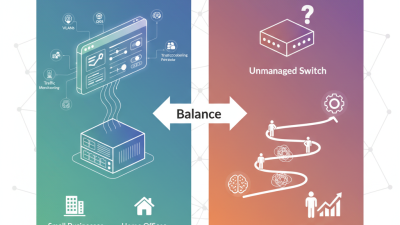
Comparing Managed vs. Unmanaged Network Switches
When choosing the right network switch for your business, understanding the difference between managed and unmanaged switches is crucial. Unmanaged switches are typically plug-and-play devices. These are perfect for small businesses with straightforward networking needs. They offer basic connectivity without advanced features. However, they lack control over traffic and network settings.
On the other hand, managed switches provide greater flexibility and oversight. They allow administrators to monitor traffic and adjust settings according to the network's demands. This can be particularly useful for medium to large businesses where traffic is high and the network is complex. Managed switches can improve efficiency and security, but they require more expertise and can be costlier.
For some, the learning curve of managed switches may seem daunting. The vast array of features can overwhelm newcomers. It’s essential to evaluate your team’s capabilities when deciding. If in-house expertise is limited, investing time in training may be necessary. Weighing these factors will help in making an informed choice that aligns with your business’s specific needs.
Cost Considerations and Budgeting for Network Switch Purchases
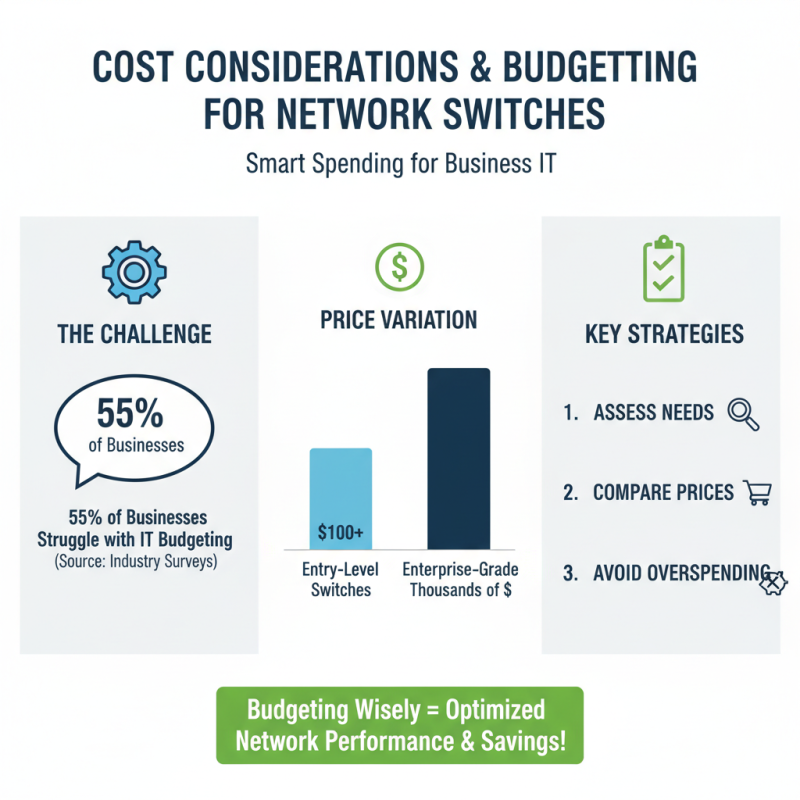
When considering network switch purchases, budgeting plays a crucial role. According to recent industry surveys, around 55% of businesses face challenges with budgeting for IT equipment. This is particularly true for network switches, which vary significantly in price. Entry-level switches can start around $100, while enterprise-grade models may cost thousands. Businesses must assess their needs carefully to avoid overspending.
Evaluating total cost of ownership is vital. This includes not just the initial purchase price, but also installation, maintenance, and potential upgrades. A report from the Information Technology Industry Council suggests that 30% of organizations did not account for ongoing maintenance costs when budgeting. Understanding these long-term expenses can prevent financial strain down the line.
Moreover, businesses need to consider scalability. Investing in more advanced switches might be tempting, but does it fit within the budget now and in the future? Approximately 40% of IT managers indicate that they regret not considering future growth when making such purchases. Thoughtful budget allocation ensures flexibility and helps avoid the pitfalls of underestimating network needs.